Your team

Meet the Nasolabial Fold Team

This site is led and medically reviewed by Tongchun Mao, MD, who performs midface and facial surgery here and who is responsible for the medical content. The other three physicians contribute what an assessment of this area often needs: the center’s surgical standards and revision experience, the assessment of how much of the fold comes from the skin itself, and the dermatologic diagnosis of the changes that make a fold a medical rather than a cosmetic question.

Specialist profiles

Who reviews this content

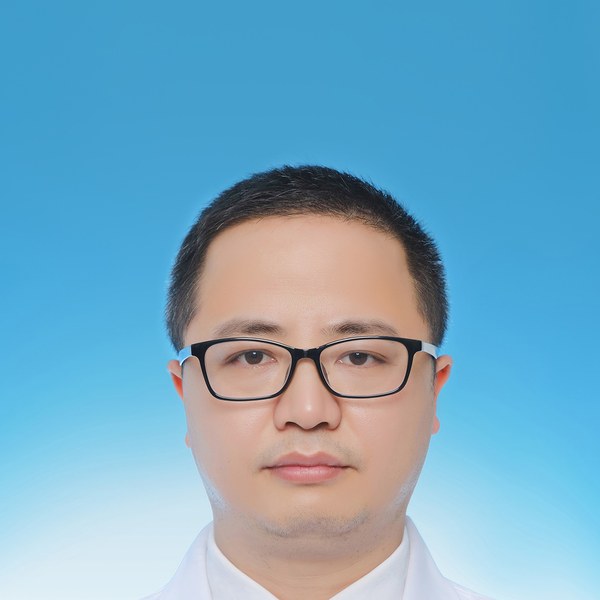
Tongchun Mao

Tongchun Mao (毛彤春)

Deputy Director & Head of Aesthetic Surgery · Vice Chief Physician, Licensed Aesthetic Attending · Lead Physician of This Site

Midface assessment · descent of the cheek and the fold · when a lift answers better than a filler

Dr. Tongchun Mao is an aesthetic surgeon at Chongqing West District Hospital, where he is Deputy Director and Head of Aesthetic Surgery in its Plastic Surgery & Aesthetics Medical Center and the responsible physician for this site. He personally performs more than 700 operations a year, within hospital standards of assessment, anaesthesia and follow-up.

On this site his part is the distinction between a fold and a line. He examines the midface at rest and in a smile, treats the cheek when the cheek is what has moved, and says plainly when a fold is the junction between cheek and lip rather than a defect to be filled — including when that means no treatment at all. He declines to fill a groove flat where the examination shows the cheek has descended, because the fold is reduced rather than removed and a flat fill widens the midface. His stated discipline is to change only what the assessment justifies.

Clinical focus

  • Midface assessment: descent, volume loss and bone change told apart
  • The fold read at rest and in a smile as the basis of any plan
  • Support placed to restore the cheek rather than to fill the groove
  • Declining a flat fill where the examination shows a descended cheek
  • Saying plainly when a fold is normal anatomy that needs nothing done

The fold is a junction, not a line

A line lives in skin and can be filled flat. A junction cannot: it is where the cheek meets the lip, and once the cheek has moved the junction reads as a groove because the two sides no longer sit level. Filling it flat does not put the cheek back, it widens the midface. Which of the two is being treated is decided by the examination, not by the mirror.

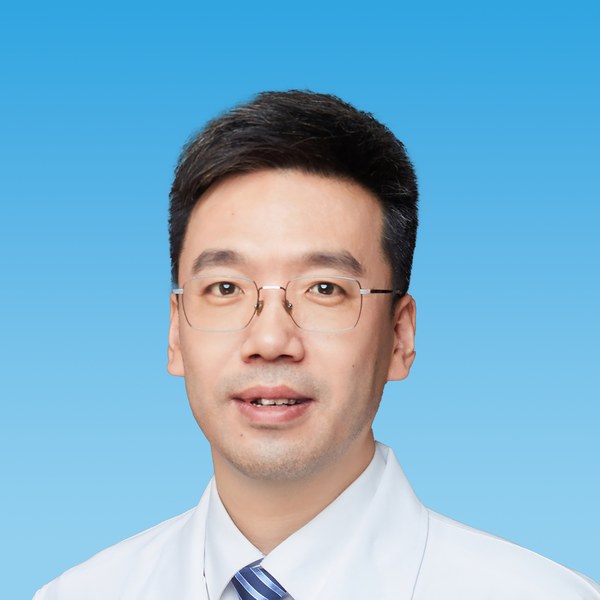
Shaoliang Wang

Shaoliang Wang (王韶亮)

Director, Plastic Surgery & Aesthetics Medical Center · Vice Chief Physician, Associate Professor, Doctor of Medicine

Center leadership · surgical standards and complex revision

Dr. Shaoliang Wang is Director of the Plastic Surgery & Aesthetics Medical Center at Chongqing West District Hospital. Within the team he provides the surgical perspective and the tertiary-hospital backstop — the assessment when an operation is the honest answer, and the hospital-level care for the rare complication that needs it.

Within this site his part is the standard any plan has to meet and the backstop behind it. Patients who arrive with a midface that a previous treatment has widened or made heavy are usually assessed within his part of the service, and the decision to operate rather than inject is taken with him.

Clinical focus

  • Center leadership and multidisciplinary case review
  • Surgical assessment when an operation is the honest answer to descent or excess skin
  • Hospital-based care for the rare complication that needs theatre-level management
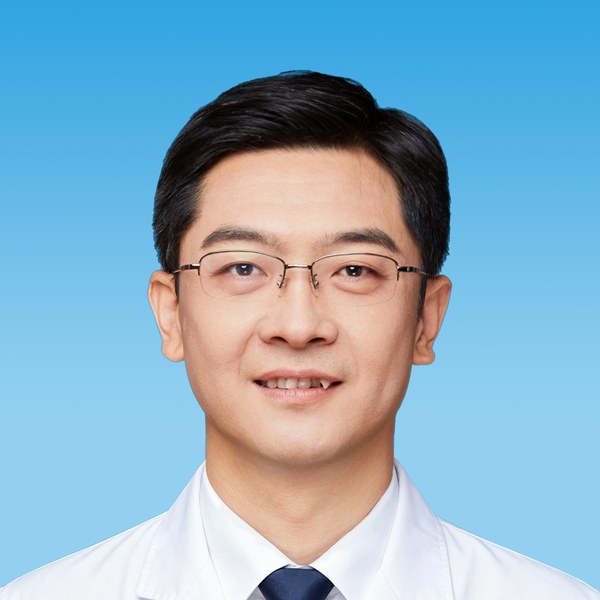
Ke He

Ke He (何锞)

Deputy Director & Head of Skin & Laser Aesthetics · Attending Physician, Licensed Aesthetic Attending

Skin and laser aesthetics · skin quality and surface support

Dr. Ke He is Deputy Director and head of skin and laser aesthetics within the Plastic Surgery & Aesthetics Medical Center at Chongqing West District Hospital. Within the team her role is the device and injectable assessment, and the honest referral when a problem needs an operation rather than a needle.

Within this site her part is the surface: how much of the fold comes from sun damage, lost elasticity and skin thickness rather than from descent, what skin care and sun protection can genuinely change, and the skin preparation and aftercare around any treatment that is planned.

Clinical focus

  • Device and injectable assessment before any treatment plan
  • Staged planning judged against standardised photographs
  • Honest referral when a problem needs an operation rather than a needle
Yongbo Jia

Yongbo Jia (贾勇波)

Deputy Director & Head of Dermatology · Vice Chief Physician, Licensed Aesthetic Attending

Dermatology · skin laxity, inflammation and medical causes

Dr. Yongbo Jia is a dermatologist within the Plastic Surgery & Aesthetics Medical Center at Chongqing West District Hospital. Within the team his role is medical skin assessment — diagnosing and managing pigment and barrier conditions, and treating skin that a device or an injection has irritated.

Within this site his part is the fold that is not an appearance problem at all: skin that has changed colour, thickened or broken down, swelling with pain or redness, and the medical and dental causes that change the midface and have to be identified before anything cosmetic is planned.

Clinical focus

  • Medical skin assessment behind injectable treatment plans
  • Diagnosis and management of pigment and barrier conditions
  • Dermatologic care of skin after irritation or a delayed reaction

Start with what has actually moved

Arrange an assessment. We will examine the face at rest and in a smile, say whether the fold comes from descent, volume loss, the bone or normal anatomy, and tell you what treatment can and cannot change. Doing nothing is a legitimate answer.

Contact the Team